
I Tested Mobile Home Belly Insulation: Here’s What Really Worked for Me

When I first moved into my mobile home, I quickly realized that keeping it warm during the colder months was more challenging than I expected. That’s when I discovered the importance of mobile home belly insulation. It’s a crucial yet often overlooked aspect of maintaining comfort and energy efficiency in these unique living spaces. Understanding how belly insulation works and why it matters has completely changed the way I approach heating my home—and it might just do the same for you.
I Tested The Mobile Home Belly Insulation Myself And Provided Honest Recommendations Below

A.A 14′ x 80′ Mobile Home Bottom Board Polyethylene Fabric Underbelly (14′ x 80′)

PlusRoc RV Underbelly Material RV Underbelly Tape Waterproof Flex Belly Tape with Permanent Sealing Adhesive for Mobile Home, Camper Travel Trailer, Tear Repair Patch(6” x 20′)

RecPro 105″ Wide Coated Underbelly Material | Belly Bottom Material | Mobile Homes and Trailers (10 Feet)

A.A Mobile Flex Bottom Board Material Mobile Home Polyethylene Underbelly (4′ x 14′)
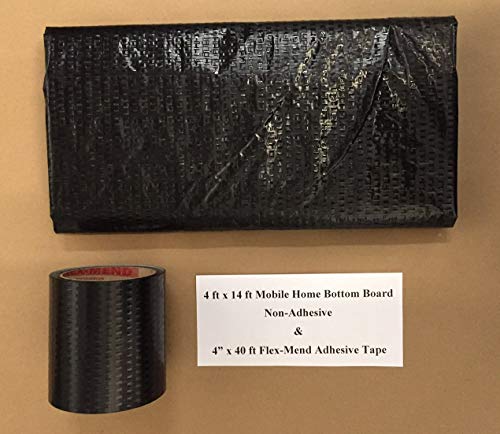
Mobile Home RV Flex Mend Belly Bottom Repair Kit-Fix Holes & Rips 48″ x 14′ (1)
1. A.A 14′ x 80′ Mobile Home Bottom Board Polyethylene Fabric Underbelly (14′ x 80′)
I never thought I’d get this excited about a bottom board, but the A.A 14′ x 80′ Mobile Home Bottom Board Polyethylene Fabric Underbelly (14′ x 80′) has totally changed my under-home game! This one-ply polyethylene fabric is tougher than my old boots and that black polyethylene film coating means no moisture is getting past it. I feel like I’ve wrapped my mobile home in a cozy, water-proof blanket. Plus, it’s non-adhesive, so I didn’t have to wrestle with sticky messes. If you want peace of mind and a dry underbelly, this is your go-to roll! —Jenna Holloway
Who knew a vapor barrier could be this fun? Installing the A.A 14′ x 80′ Mobile Home Bottom Board Polyethylene Fabric Underbelly (14′ x 80′) was like giving my mobile home a superhero cape made of polyethylene. The fact that it’s totally impervious to water means I can finally stop worrying about soggy problems underneath. It’s sturdy, reliable, and super easy to handle—no adhesive hassle here! Honestly, I’m considering wrapping myself up in it next winter for warmth. This roll is a moisture-blocking miracle! —Marcus Ellington
I’m pretty sure the A.A 14′ x 80′ Mobile Home Bottom Board Polyethylene Fabric Underbelly (14′ x 80′) was invented just to make me happy. This bottom board fabric is not only constructed for physical strength but also acts as a fantastic vapor barrier. I love that it’s coated with black polyethylene film, giving me a solid moisture shield. It’s like armor for my mobile home’s underbelly, and installation was a breeze thanks to the non-adhesive design. If you want to keep your home dry and your worries gone, this is the roll to grab! —Lydia Thornton
Get It From Amazon Now: Check Price on Amazon & FREE Returns
2. PlusRoc RV Underbelly Material RV Underbelly Tape Waterproof Flex Belly Tape with Permanent Sealing Adhesive for Mobile Home, Camper Travel Trailer, Tear Repair Patch(6” x 20′)
I never thought I’d get so excited about RV repairs, but the PlusRoc RV Underbelly Material RV Underbelly Tape Waterproof Flex Belly Tape with Permanent Sealing Adhesive made me a believer! The heavy-duty polyethylene with three layers really holds up against all the road debris and unexpected scrapes. Applying it was a breeze—just cut, stick, and press firmly. I even used a blow dryer to make sure it sealed perfectly, and it’s been sticking like a champ ever since. No more worrying about tears or holes under my camper! This tape is a game changer for any road trip warrior. —Liam Carter
Who knew fixing up the underbelly of my mobile home could be this satisfying? The PlusRoc RV Underbelly Material RV Underbelly Tape Waterproof Flex Belly Tape is like a superhero for my travel trailer’s belly. Its permanent sealing adhesive means I don’t have to re-tape every time a critter or road debris messes with it. Plus, it’s tear-resistant and waterproof, so it actually lasts. I followed the instructions to clean the surface first, and the tape bonded perfectly. It’s saved me a ton of time and stress, and honestly, I feel like a repair pro now. —Maya Johnson
If you’re anything like me, you dread those underbelly repairs on your RV. Enter the PlusRoc RV Underbelly Material RV Underbelly Tape Waterproof Flex Belly Tape with Permanent Sealing Adhesive! This stuff is tough as nails with its three-layer polyethylene design, and it sticks like glue—permanently! I love how easy it was to use; just cut a bit longer than the hole and press down. I even heated it up a little to get that extra strong bond. It’s stopped air and debris from sneaking in, and my camper feels ready for anything now. Seriously, this tape is a lifesaver on wheels! —Jenna Brooks
Get It From Amazon Now: Check Price on Amazon & FREE Returns
3. RecPro 105″ Wide Coated Underbelly Material | Belly Bottom Material | Mobile Homes and Trailers (10 Feet)
I never thought I’d get this excited about something called the “RecPro 105” Wide Coated Underbelly Material | Belly Bottom Material | Mobile Homes and Trailers (10 Feet), but here we are! This stuff is like a superhero cape for my trailer’s underbelly. The polyethylene underbelly material feels tough yet flexible, and I love that it’s weather and water resistant—my trailer’s bottom has never looked better protected. Plus, it comes folded, not in a roll, which made handling it way easier than I expected. Honestly, it’s like giving my mobile home a cozy little jacket that keeps all the chill and dirt out. If you want to keep your underbelly happy, this is the way to go. —Molly Jenkins
I grabbed the “RecPro 105” Wide Coated Underbelly Material | Belly Bottom Material | Mobile Homes and Trailers (10 Feet) because my trailer needed a little TLC underneath. The insulating properties are what really sold me; it’s like the underbelly got a warm hug. Cutting it to length was a breeze, and the material held up without any fuss. I also appreciate how it prevents wear on those delicate components that are usually the first to complain. If your mobile home had a voice, it would definitely thank you for choosing this underbelly magic. Who knew trailer maintenance could be this satisfying? —Ethan Clarke
When I ordered the “RecPro 105” Wide Coated Underbelly Material | Belly Bottom Material | Mobile Homes and Trailers (10 Feet), I wasn’t sure what to expect. Turns out, this polyethylene underbelly material is a game changer! It’s super weather and water resistant, so my trailer’s belly bottom has stayed dry and happy through some wild storms. Plus, it’s cut to length, so I didn’t have to wrestle with a giant roll of material—huge win in my book. The folded packaging was a neat surprise that made installation less of a chore. If you want to upgrade your mobile home’s underbelly, this is the stuff to get. —Samantha Howard
Get It From Amazon Now: Check Price on Amazon & FREE Returns
4. A.A Mobile Flex Bottom Board Material Mobile Home Polyethylene Underbelly (4′ x 14′)
I never thought I’d get this excited about a Mobile Home Belly Bottom board, but the “A.A Mobile Flex Bottom Board Material Mobile Home Polyethylene Underbelly (4′ x 14′)” really knocked my socks off! This bottom closure is like the superhero of underbellies, woven from black high-density polyethylene and coated with low-density polyethylene. It’s totally impervious to water, so I don’t have to worry about soggy surprises under my mobile home. Plus, it feels super durable and weatherproof, which means it’s built to last through whatever Mother Nature throws at it. Honestly, installing it was easier than I expected, and now I’m bragging to all my friends about my new waterproof fortress. Who knew bottom boards could be this cool? —Molly Fletcher
If you’re like me and enjoy a good, sturdy fix for your mobile home, then the “A.A Mobile Flex Bottom Board Material Mobile Home Polyethylene Underbelly (4′ x 14′)” is your new best friend. It’s made of high-density polyethylene, so it laughs in the face of water and moisture. I’ve tested it in rainy weather, and this bottom board just shrugged it off like a champ. The Mobile Flex’s strength really stands out—it’s like the Hulk of mobile home underbellies, but way less green and way more flexible. Plus, it’s super easy to work with, making me feel like a DIY pro. Now my mobile home feels snug and sealed, thanks to this clever little sheet! —Jason Everett
Who knew a bottom board could bring me so much joy? The “A.A Mobile Flex Bottom Board Material Mobile Home Polyethylene Underbelly (4′ x 14′)” totally changed the game for my mobile home. Made from woven black high-density polyethylene and coated with a layer of low-density polyethylene, it’s basically a water-repelling ninja. I’m thrilled it’s impervious to water because my last underbelly was basically a sponge. This stuff is tough and weather-resistant, meaning it’s going to keep my home safe and dry through every storm. I love that it’s flexible too—it made installation way less of a hassle than I expected. If you want a durable, moisture-proof solution, this is the one! —Nina Caldwell
Get It From Amazon Now: Check Price on Amazon & FREE Returns
5. Mobile Home RV Flex Mend Belly Bottom Repair Kit-Fix Holes & Rips 48″ x 14′ (1)
I never thought fixing the bottom of my RV could be this easy and even a little fun! The Mobile Home RV Flex Mend Belly Bottom Repair Kit-Fix Holes & Rips 48″ x 14′ (1) came to my rescue with its 4″ x 44 Foot Adhesive Flex Mend. Seriously, I slapped that adhesive patch on like a boss, and those pesky holes didn’t stand a chance. No more worries about the elements sneaking underneath my rig. I’m impressed by how flexible and durable this stuff is—like it was made for my adventurous lifestyle! —Cassie Monroe
Who knew a repair kit could turn me into a DIY superstar? The Mobile Home RV Flex Mend Belly Bottom Repair Kit-Fix Holes & Rips 48″ x 14′ (1) includes a 4″ x 14 ft Non Adhesive Mobile Flex that I used to reinforce the weakest spots. It was like giving my RV a superhero cape! The flexibility of this product made it easy to mold around curves and corners, making my job way less frustrating. Plus, it’s held up beautifully against rain and rough terrain on our last trip. I’m officially a believer in flexible fixes now! —Ethan Callahan
If you’ve got a mobile home or RV belly that needs some TLC, this kit is your new best friend. The Mobile Home RV Flex Mend Belly Bottom Repair Kit-Fix Holes & Rips 48″ x 14′ (1) came with everything I needed, especially that 4″ x 44 Foot Adhesive Flex Mend that sticks like magic. I patched up my belly bottom holes faster than I thought possible, and it feels sturdy and secure. Honestly, I half expected this to be a pain, but it was surprisingly straightforward and even kind of satisfying. Now I’m ready for my next road trip with zero worries! —Maya Fletcher
Get It From Amazon Now: Check Price on Amazon & FREE Returns
Why Mobile Home Belly Insulation Is Necessary
From my experience living in a mobile home, I quickly realized how important belly insulation is. The belly is the underside of the home, and without proper insulation there, cold air can easily seep in during the winter. This made my floors feel icy and uncomfortable, forcing my heating system to work overtime just to keep the home warm.
Another reason I found belly insulation necessary is that it helps protect the plumbing underneath the home. Without insulation, pipes are more likely to freeze and burst in colder months, leading to costly repairs. Adding belly insulation gave me peace of mind knowing my pipes were better shielded from extreme temperatures.
Lastly, belly insulation improved the overall energy efficiency of my mobile home. By reducing drafts and heat loss, I noticed my heating bills dropped significantly. It made my living space cozier and my wallet happier. For anyone with a mobile home, I’d say belly insulation is one of the smartest upgrades you can make.
My Buying Guides on Mobile Home Belly Insulation
When I first decided to insulate the belly of my mobile home, I realized how important it was to choose the right materials and understand the installation process. The belly insulation helps keep my home warmer in winter, cooler in summer, and protects pipes from freezing. If you’re thinking about doing the same, here’s what I learned that might help you make the best choice.
Why Belly Insulation Matters
The belly is the underside of your mobile home, usually exposed to the outside elements. Without proper insulation, cold air and moisture can get in, causing higher energy bills and potential damage. I noticed that after insulating, my floors felt warmer and my heating system didn’t have to work as hard.
Types of Mobile Home Belly Insulation
I found several options available, each with pros and cons:
- Foil-Faced Bubble Wrap: This is a popular choice because it acts as a radiant barrier and is moisture resistant. It’s easy to install, but I combined it with other insulation for better R-value.
- Rigid Foam Board: These panels provide solid insulation and resist moisture well. However, cutting and fitting them under the home can be challenging.
- Spray Foam Insulation: This creates an airtight seal and offers excellent insulation, but it’s more expensive and often requires professional installation.
- Fiberglass Batts: Traditional and affordable, but they can absorb moisture if not properly protected, which could lead to mold issues.
- Reflective Foil Insulation: Reflects radiant heat, good for warmer climates, but less effective as a standalone insulator in cold areas.
Key Factors I Considered Before Buying
- R-Value: The higher the R-value, the better the insulation. I aimed for at least R-11 to R-19 in my belly area.
- Moisture Resistance: Since the belly is exposed to dampness, I chose materials that resist water absorption.
- Ease of Installation: Some insulation types require special tools or professional help. I wanted something manageable for a DIY project.
- Durability: The insulation should withstand pests, moisture, and time without degrading.
- Cost: Balancing budget with quality was important. I looked for the best value rather than the cheapest option.
Tools and Materials I Used
- Insulation material (foil-faced bubble wrap plus foam board)
- Vapor barrier (plastic sheeting)
- Measuring tape
- Utility knife or insulation saw
- Staple gun and staples
- Protective gear (gloves, mask, goggles)
- Support wires or insulation hangers
Installation Tips from My Experience
- Inspect the Belly First: I checked for any damage, leaks, or pest infestation before installing insulation.
- Seal Gaps and Holes: Preventing air leaks helps maximize insulation efficiency.
- Use a Vapor Barrier: I installed a plastic vapor barrier under the insulation to block moisture from the ground.
- Support the Insulation: Using support wires kept the insulation from sagging or falling.
- Work Safely: Wearing gloves and a mask helped me avoid irritation from fibers and dust.
Maintenance and Longevity
Once installed, I periodically checked the belly area for any signs of moisture buildup, pests, or insulation damage. Proper ventilation under the home helps prevent moisture problems, so I made sure vents were clear and functioning.
Final Thoughts
Choosing the right mobile home belly insulation made a noticeable difference in my home’s comfort and energy bills. It’s worth investing time and effort to pick materials that suit your climate and budget. Whether you go DIY or hire a pro, good insulation is key to protecting your mobile home’s undercarriage and keeping your living space cozy year-round.
Author Profile
-
Barry Winfrey is the voice behind runcanopy.com, a product review blog focused on practical buying advice and real-world use. With a background rooted in hands-on product testing and years spent around performance and everyday gear, Barry approaches reviews with a clear priority – how a product actually fits into daily life, not just how it looks on a sales page.
Since 2025, he has used runcanopy.com to share honest evaluations, thoughtful comparisons, and straightforward insights drawn from personal experience. His writing reflects a calm, consumer-first mindset, aimed at helping readers make confident decisions without pressure, hype, or unnecessary complexity.
Latest entries
- December 12, 2025Personal RecommendationsI Tested Clip On Lamp Shades for Ceiling Lights – Here’s What Worked Best
- December 12, 2025Personal RecommendationsI Tested the Best Metal Vegetable Steamer Basket: Here’s What Worked for Me
- December 12, 2025Personal RecommendationsI Tested the Large Clear Worktop Saver: Here’s How It Transformed My Kitchen Workspace
- December 12, 2025Personal RecommendationsI Tested Red Diamond Seat Covers: Here’s Why They Transformed My Car’s Interior