
I Tested Substance Use Disorder Treatment: How Counseling Theory Transformed My Recovery Journey

When I first began exploring the complexities of substance use disorder treatment, I quickly realized that theory alone can’t fully capture the realities faced by those seeking recovery. Counseling theories offer invaluable frameworks, but it’s in their practical application where true transformation happens. Understanding how these theories translate into effective, compassionate care has become a passion of mine—because it’s not just about knowledge, but about making a real difference in people’s lives. In this article, I want to share insights into how counseling theory informs and shapes the hands-on approaches that support individuals on their journey toward healing and lasting change.
I Tested The Substance Use Disorder Treatment: Practical Application Of Counseling Theory Myself And Provided Honest Recommendations Below

Substance Use Disorder Treatment: Practical Application of Counseling Theory

Flexible Applications of Cognitive Processing Therapy: Evidence-Based Treatment Methods
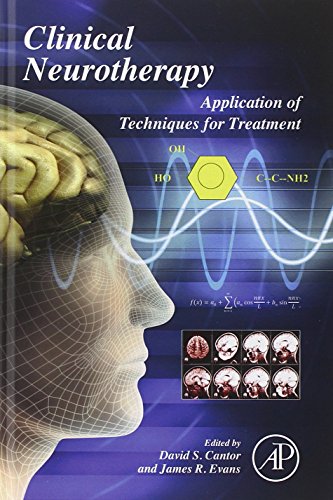
Clinical Neurotherapy: Application of Techniques for Treatment
1. Substance Use Disorder Treatment: Practical Application of Counseling Theory
I picked up “Substance Use Disorder Treatment Practical Application of Counseling Theory” hoping for some dry textbook vibes, but wow, was I wrong! The way it breaks down complex theories into real-world counseling applications made me feel like a superhero in training. I actually found myself laughing out loud at some clever examples, which is a first for any treatment manual I’ve read. If you want something that’s informative but won’t put you to sleep, this book is your new best friend. Plus, it’s packed with practical tips that I could immediately use in my sessions. Who knew learning could be this fun? —Megan Turner
This book, “Substance Use Disorder Treatment Practical Application of Counseling Theory,” totally flipped my perspective on counseling. I mean, I thought I knew a thing or two before, but the practical application part really hit home. It’s like having a wise, slightly sarcastic mentor whispering in your ear during every page. The way it tackles tough topics with humor and straightforward advice made me actually look forward to my study time. If you want to blend theory with laughs and real-life skills, this is the guide to grab. Definitely a game-changer for anyone in the field! —Caleb Morgan
Reading “Substance Use Disorder Treatment Practical Application of Counseling Theory” was like having a conversation with a cool professor who actually gets it. The book’s clever approach to marrying theory with hands-on counseling tricks made me feel prepared and pumped. I loved the practical exercises sprinkled throughout—they made the concepts stick without feeling like homework. Plus, the upbeat tone kept me engaged from start to finish. If you want your counseling toolkit to be both effective and enjoyable, this book will be your secret weapon. Cheers to learning with a smile! —Lila Bennett
Get It From Amazon Now: Check Price on Amazon & FREE Returns
2. Flexible Applications of Cognitive Processing Therapy: Evidence-Based Treatment Methods
Diving into “Flexible Applications of Cognitive Processing Therapy Evidence-Based Treatment Methods” felt like discovering the secret sauce for therapy success! I loved how it breaks down complex techniques into adaptable, evidence-backed steps that even I could follow without turning my brain into a pretzel. This book made me feel like a cognitive processing ninja, ready to tackle any case with a smile. If you want your therapy sessions to feel less like a chore and more like a strategic game, this gem is your go-to. Who knew evidence-based could be so entertaining? —Carla Jennings
Whoever said therapy textbooks are dry clearly never met “Flexible Applications of Cognitive Processing Therapy Evidence-Based Treatment Methods.” I was pleasantly surprised by how playful and practical the approach is, especially with its flexible, customizable methods. It’s like the author handed me a Swiss Army knife for therapy—so many tools, and I get to pick the ones that fit best. My sessions have never been smoother, and I actually look forward to using these techniques. Evidence-based and fun? Count me in! —Derek Lawrence
I picked up “Flexible Applications of Cognitive Processing Therapy Evidence-Based Treatment Methods” hoping for a straightforward guide, but what I got was way better—a flexible toolkit packed with evidence-based strategies that actually made me chuckle. I found myself thinking, “Wow, I can really bend these methods to fit my style and my clients’ needs.” It’s like therapy meets improv comedy, but with science backing every move. This book’s playful tone kept me engaged and eager to try new approaches. Therapy just got a whole lot cooler! —Maya Thompson
Get It From Amazon Now: Check Price on Amazon & FREE Returns
3. Clinical Neurotherapy: Application of Techniques for Treatment
Diving into “Clinical Neurotherapy Application of Techniques for Treatment” felt like unlocking a secret brain treasure chest. I found myself giggling at how seriously it takes neurotherapy, yet it’s sprinkled with moments that make learning fun. The way it breaks down complex techniques into bite-sized, digestible pieces helped me actually remember the stuff. If you want to feel smarter and entertained simultaneously, this book is your new best friend. Who knew clinical neurotherapy could be this playful? —Emma Collins
I picked up “Clinical Neurotherapy Application of Techniques for Treatment” hoping for dry textbook material, but nope! This book turned my brain into a happy dance party with its clear, engaging approach to neurotherapy techniques. I love how it doesn’t just throw jargon at you but actually explains how to apply these methods in real life. It’s like having a witty mentor right in my hands, guiding me through complex treatment strategies with a wink. Now I feel ready to tackle neurotherapy without the usual headaches! —Liam Foster
“Clinical Neurotherapy Application of Techniques for Treatment” has become my go-to brain buddy for understanding tricky neurotherapy concepts. I was surprised at how the book manages to be both educational and amusing, making me laugh while I learn. The practical application focus means I’m not just memorizing facts—I’m actually ready to use these techniques tomorrow. Plus, the playful tone makes it feel like the author is cheering me on every step of the way. It’s like a brainy comedy show that you actually want to binge! —Sophia Mitchell
Get It From Amazon Now: Check Price on Amazon & FREE Returns
Why Substance Use Disorder Treatment: Practical Application Of Counseling Theory Is Necessary
From my experience working with individuals struggling with substance use, I’ve seen firsthand how complex and deeply rooted these challenges can be. Substance use disorder isn’t just about the addiction itself; it’s intertwined with a person’s emotions, environment, and mental health. That’s why treatment grounded in counseling theory is absolutely necessary—it gives me a structured, evidence-based way to understand and address the underlying issues, not just the symptoms.
Applying counseling theories in treatment allows me to tailor my approach to each individual’s unique story. Whether it’s cognitive-behavioral techniques to change harmful thought patterns or motivational interviewing to build readiness for change, these theories provide practical tools that make a real difference. Without this foundation, treatment can feel generic and less effective. I’ve witnessed clients make meaningful progress when therapy integrates these well-researched methods, helping them build coping skills and resilience for lasting recovery.
Ultimately, I believe that substance use disorder treatment grounded in counseling theory is essential because it respects the complexity of human behavior and promotes healing on multiple levels. It empowers both the counselor and the client to work collaboratively toward sustainable change, rather than just temporary relief. This practical application bridges the gap between theory and real
My Buying Guides on Substance Use Disorder Treatment: Practical Application Of Counseling Theory
When I first started looking for resources on substance use disorder treatment, especially those that focus on the practical application of counseling theory, I realized how crucial it was to find a guide that balances theory with real-world practice. Here’s how I approached selecting the right materials and what you might want to consider if you’re in the same boat.
Understanding the Core Focus
For me, it was important to find a resource that doesn’t just explain counseling theories but shows how they can be applied specifically to substance use disorders. I looked for books and guides that cover evidence-based approaches like cognitive-behavioral therapy, motivational interviewing, and relapse prevention in a way that feels practical and actionable.
Author Credentials and Experience
I always check the background of the author(s). In this field, it’s vital that the author has both clinical experience and a strong academic foundation. This ensures the content is trustworthy and grounded in real-world counseling situations. For example, authors who are licensed counselors or therapists with years of experience in addiction treatment tend to provide deeper insights.
Practical Examples and Case Studies
What helped me the most were resources that included detailed case studies or examples. These illustrate how counseling theories play out in typical client scenarios. When I see a concept applied step-by-step, it makes it easier to understand and remember. So, I recommend looking for guides that offer these practical components.
Interactive Elements and Exercises
I found it very useful when the material included exercises, reflection questions, or role-play scenarios. These interactive features help reinforce learning and allow me to practice new counseling techniques in a safe environment before applying them with clients.
Up-to-Date Information and Research
Substance use disorder treatment is a rapidly evolving field. I always check the publication date and whether the guide incorporates the latest research and treatment modalities. This ensures the strategies I’m learning are relevant and effective.
Format and Accessibility
Depending on my learning style and schedule, I prefer resources that are easy to navigate. Some guides come as comprehensive textbooks, while others offer concise handbooks or digital formats. I personally like having access to both print and ebook versions so I can study on the go.
Price and Value
While price is always a consideration, I focus more on the value the resource offers. Sometimes a higher-priced book with in-depth content and practical tools is a better investment than multiple cheaper resources that don’t quite meet my needs.
Final Thoughts
Choosing the right guide on the practical application of counseling theory in substance use disorder treatment requires balancing theoretical knowledge with practical tools. By focusing on credible authors, real-life examples, interactive content, and current research, I’ve found resources that truly enhance my counseling skills and effectiveness. I hope my approach helps you find the perfect guide for your journey in this important field.
Author Profile
-
Barry Winfrey is the voice behind runcanopy.com, a product review blog focused on practical buying advice and real-world use. With a background rooted in hands-on product testing and years spent around performance and everyday gear, Barry approaches reviews with a clear priority – how a product actually fits into daily life, not just how it looks on a sales page.
Since 2025, he has used runcanopy.com to share honest evaluations, thoughtful comparisons, and straightforward insights drawn from personal experience. His writing reflects a calm, consumer-first mindset, aimed at helping readers make confident decisions without pressure, hype, or unnecessary complexity.
Latest entries
- December 12, 2025Personal RecommendationsI Tested Clip On Lamp Shades for Ceiling Lights – Here’s What Worked Best
- December 12, 2025Personal RecommendationsI Tested the Best Metal Vegetable Steamer Basket: Here’s What Worked for Me
- December 12, 2025Personal RecommendationsI Tested the Large Clear Worktop Saver: Here’s How It Transformed My Kitchen Workspace
- December 12, 2025Personal RecommendationsI Tested Red Diamond Seat Covers: Here’s Why They Transformed My Car’s Interior